Welcome to the Citizens Advice North Herts Autumn 2023 Newsletter
It’s been a busy few months here at CANH. We held our AGM in September. Our 2022/2023 Annual Report is available to download here. Read on to find out more about what we’ve been up to during the last few months.
July to September in Numbers
The top 3 issues people contacted us for were:
Benefits, Housing and Debt


Key Cost-Of-Living Trends in North Hertfordshire
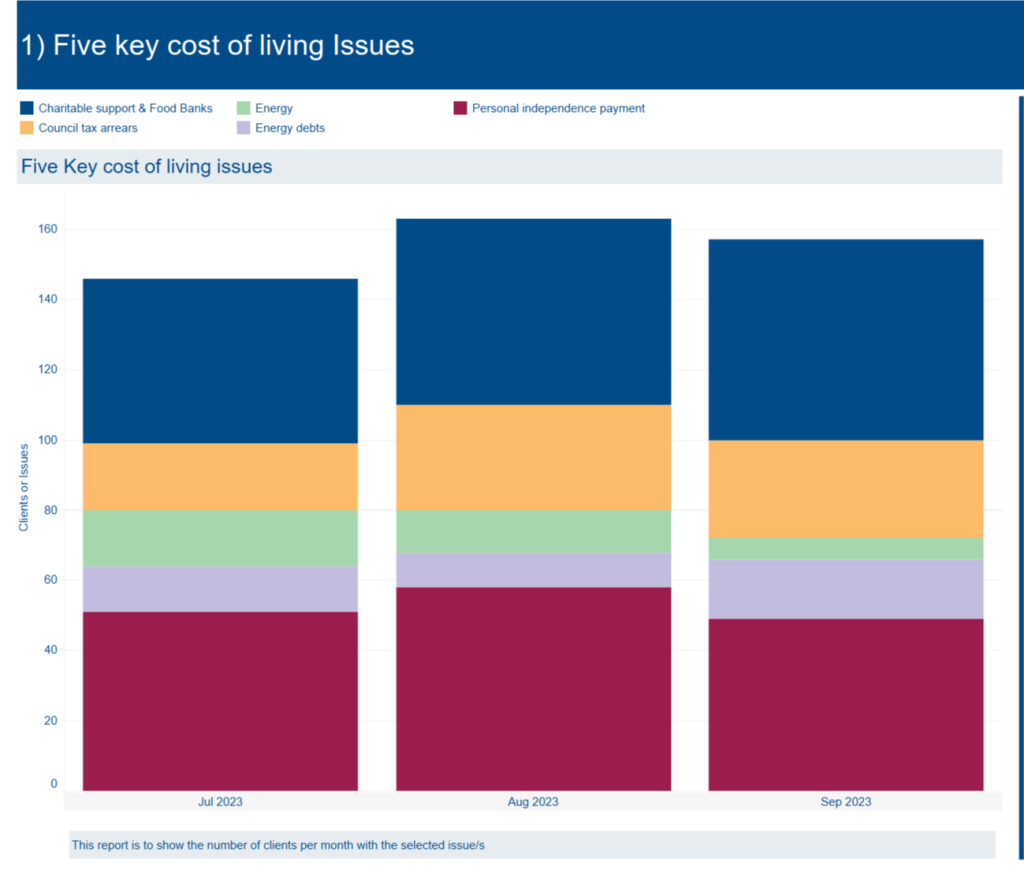
Our data shows worrying trends for the winter ahead with more people coming to us for Food Bank referrals.
We have a link worker in both the Hitchin and Letchworth Trussell Trust Foodbanks each week to provide assistance and refer back into our Specialist Advice service as needed.
Recent Client Feedback
Have You Spotted Us Out and About?
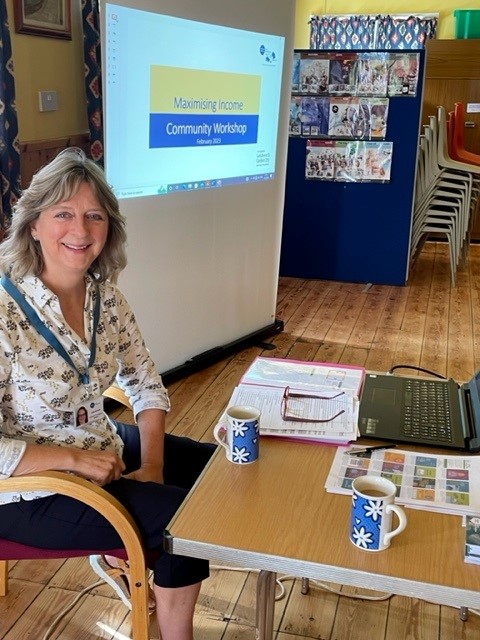
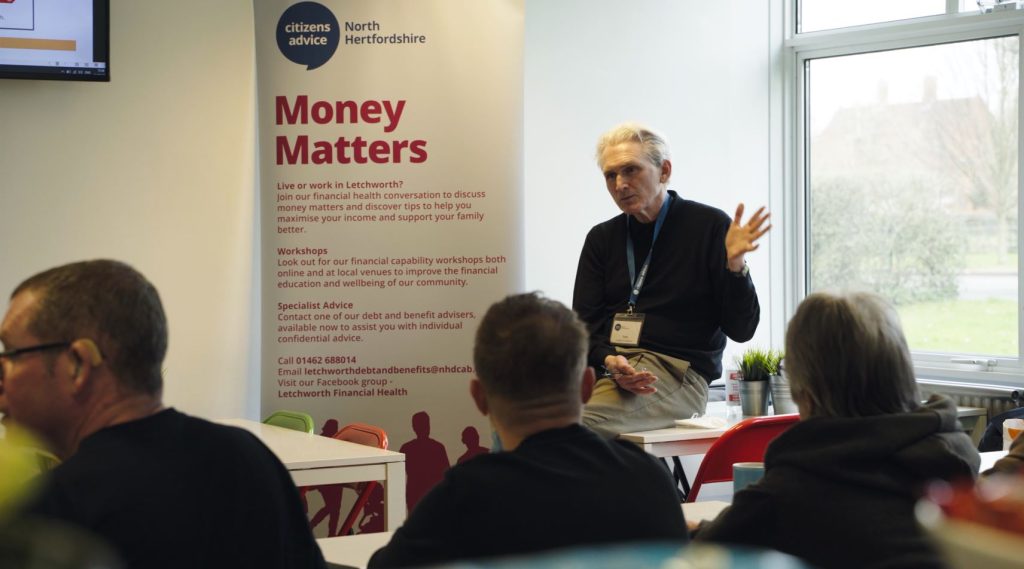
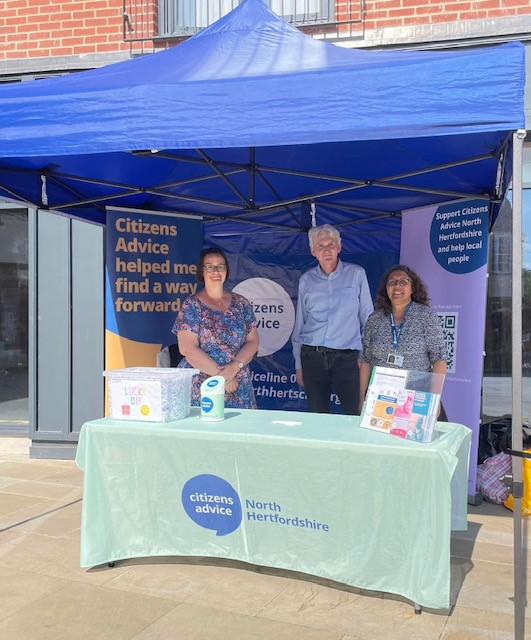
During July – September we attended 30 events out in the community and reached 389 people in addition to those who accessed our one-to-one advice services.
If you’d like us to come and talk to your group or attend your community event then please email communications@nhdcab.org.uk
Access Our Services However Suits You Best
We offer advice face-to-face via drop-in and appointments in our Royston and Letchworth offices, as well as at our Hitchin and Melbourn outreaches. We also hold a weekly contact centre on a Wednesday morning in Baldock Library and a monthly contact centre (first Monday afternoon of the month) at Hitchin Library.
You can email your enquiry to us, call our local message line on 01462 690801 or contact us via the Advice Line service on 0800 144 88 48.
If you’d like to refer someone else into our service please complete our referral form.
Research and Campaigns
CANH Joins Call to Uprate Benefits in Line With Inflation
Our team has recently spent time campaigning for the government to uprate benefits in the upcoming Autumn statement. We’ve written to our local MPs and published an article in the local papers. Failing to uprate benefits will leave many local people on low-incomes significantly worse off. People coming to Citizens Advice for help with debt who are in receipt of benefits currently have an average negative budget of £30.50 each month. If benefits aren’t increased this will increase to £80.
Local Housing Allowance (LHA) has been frozen since 2020. Leaving it frozen will only worsen the budget shortfalls people on Universal Credit currently face. Another real-terms cut to benefits would come after almost 10 years of failing to consistently increase benefits in line with inflation. This has resulted in a £24 gap between what the value of benefits should be and where it actually sits. This will rise to more than £50 per month if benefits are frozen again. It is vital that the chancellor commits to uprating benefits, and unfreezing LHA during the upcoming Autumn Statement

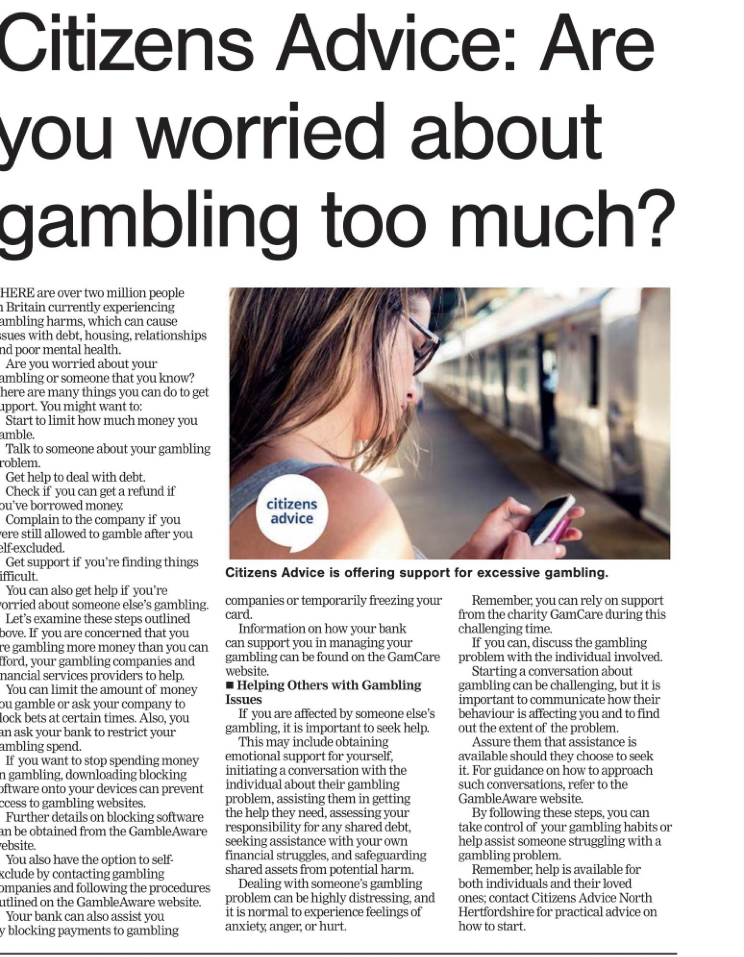
We’ve Been Raising Awareness of Issues Surrounding Gambling
There are over 2 million people in Britian currently experiencing gambling harms, which can cause issues with debt, housing, relationships and poor mental health. Are you worried about your gambling or someone that you know? There are many things you can do to get support. You might want to:
- Start to limit how much money you gamble.
- Talk to someone about your gambling problem.
- Get help to deal with debt.
- Check if you can get a refund if you’ve borrowed money.
- Complain to the company if you were still allowed to gamble after you self-excluded.
- Get support if you’re finding things difficult.
You can also get help if you’re worried about someone else’s gambling.
Let’s examine these steps outlined above. If you are concerned that you are gambling more money than you can afford, ask your gambling companies and financial services providers to help. You can limit the amount of money you gamble or ask your company to block bets at certain times. Also, you can ask your bank to restrict your gambling spend.
If you want to stop spending money on gambling, downloading blocking software onto your devices can prevent access to gambling websites. Further details on blocking software can be obtained from the GambleAware website.
You also have the option to self-exclude by contacting gambling companies and following the procedures outlined on the GambleAware website.
Your bank can also assist you by blocking payments to gambling companies or temporarily freezing your card. Information on how your bank can support you in managing your gambling can be found on the GamCare website.
Helping Others with Gambling Issues
If you are affected by someone else’s gambling, it is important to seek help. This may include obtaining emotional support for yourself, initiating a conversation with the individual about their gambling problem, assisting them in getting the help they need, assessing your responsibility for any shared debt, seeking assistance with your own financial struggles, and safeguarding shared assets from potential harm.
Dealing with someone’s gambling problem can be highly distressing, and it is normal to experience feelings of anxiety, anger, or hurt. Remember, you can rely on support from the charity GamCare during this challenging time.
If you can, discuss the gambling problem with the individual involved. Starting a conversation about gambling can be challenging, but it is important to communicate how their behaviour is affecting you and to find out the extent of the problem.
Assure them that assistance is available should they choose to seek it. For guidance on how to approach such conversations, refer to the GambleAware website.
By following these steps, you can take control of your gambling habits or help assist someone struggling with a gambling problem. Remember, help is available for both individuals and their loved ones; contact Citizens Advice North Hertfordshire for practical advice on how to start.
Fundraising News

Save the Date!
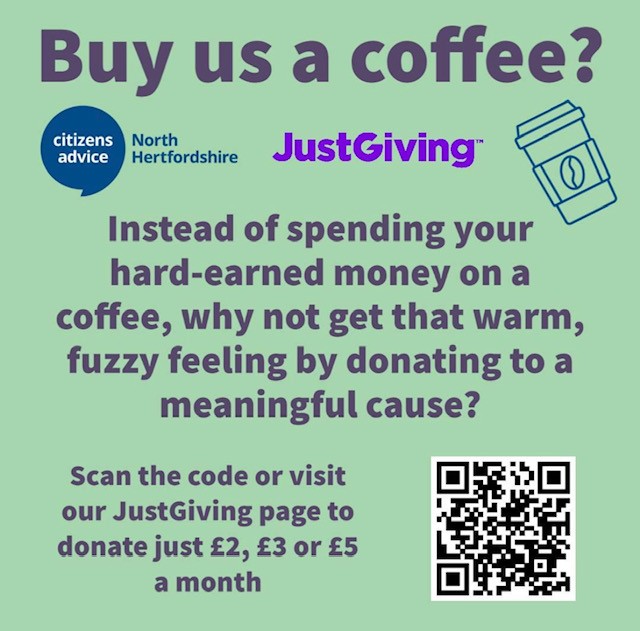
Our amazing staff and volunteers are working flat out to help people struggling in our community, but we know there are many more people who need our help.
We need your support so that we can be here for those who need us.
Interested in fundraising for us? There are lots of ideas on our website. Everything you raise for us stays in North Herts supporting local people who need our support and advice.

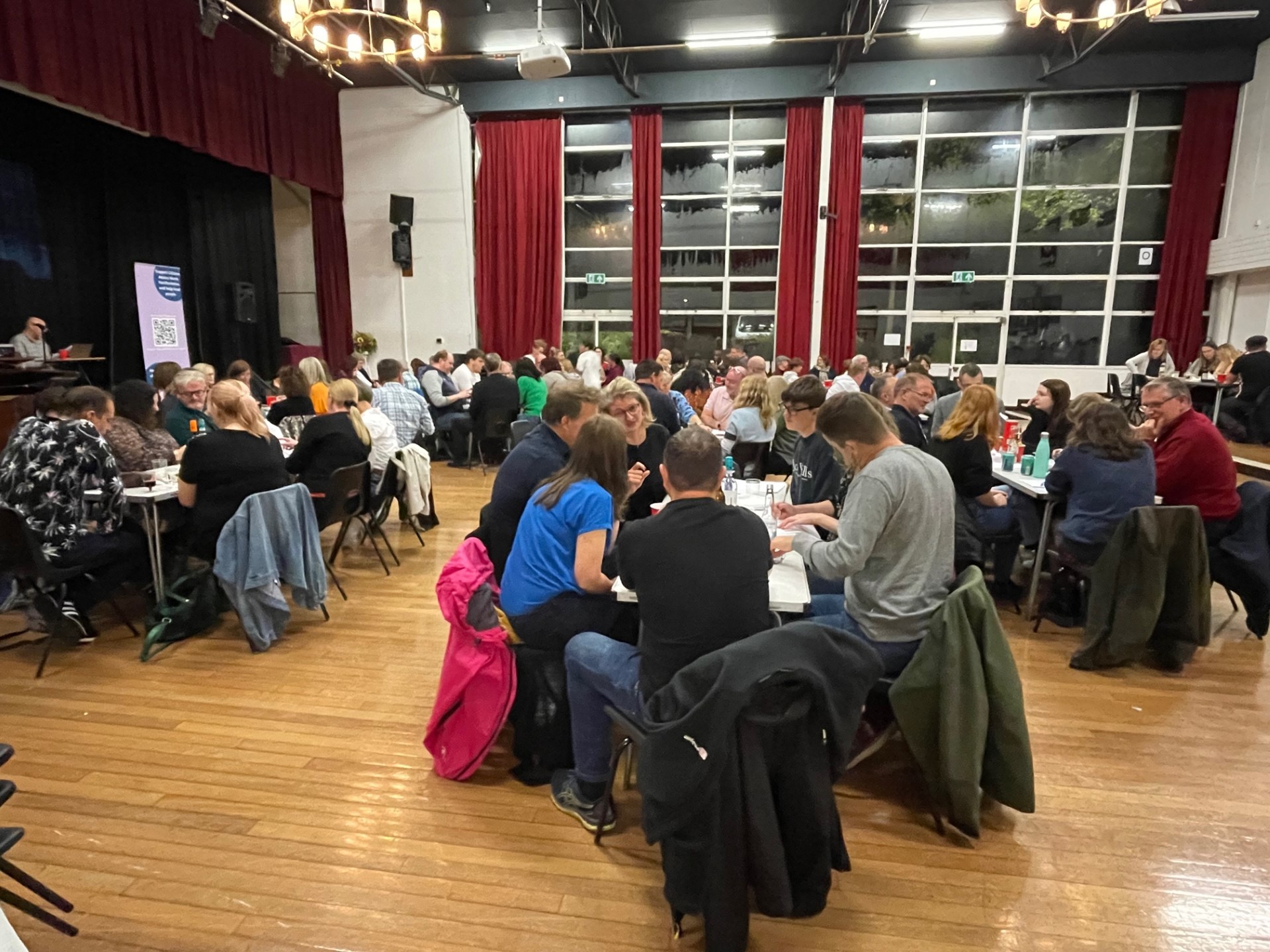
On Friday October 13th, around 100 people joined us to take part in a Music Quiz Fundraiser, to raise money to help support our advice services.
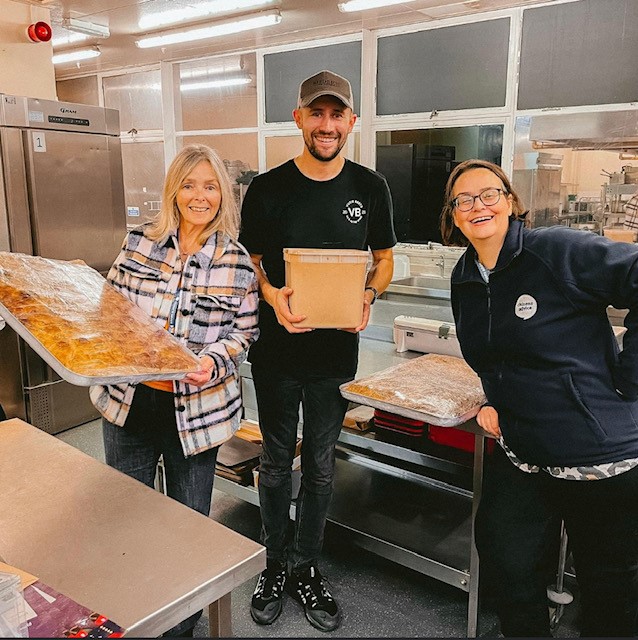
We are so grateful to everyone who came along, everyone who helped on the night and especially to Simon who wrote and presented the quiz and to Vutie Beets who provided the delicious curry.
We raised just over £2,000 and every penny will help us to support those who need us in the local community.
As a local charity we rely on funding and donations to keep our services going so we can continue providing vital support to our community. Times are really tough right now and there are so many people who need our help – our services are stretched to the limit.

We’d like to say a BIG thank you to Royston Rotary Club for funding a refurbishment of the sign on the outside of our office at Royston Town Hall. We think you’ll agree it looks fantastic!
Volunteer Q & A

Q: Tell us a bit about yourself
A: I grew up in North Herts then studied in Bristol, where I intend to stay long-term. I currently work part-time as a Personal Care Assistant for a young disabled woman.
I wrote my history undergrad dissertation on the Yorkshire Ripper murders and was interested in the many socioeconomic forces surrounding crime.
Following my law postgrad, I definitely need a break from studying and I am now applying for full-time jobs. I’m primarily looking within the criminal justice system and third sector organisations focusing on related issues. I’m excited to see where this takes me!
Q: Why did you decide to volunteer with CANH?
A: I have always engaged in volunteering, and I was looking for an opportunity that aligned with my emerging interests, to help figure out my future career aspirations. Unlike work experience placements and university committee positions, I’ve been able to do my role at CANH long-term and year-round, which helps to keep me on track.
I felt I was a good fit for the role as I had been promoting various university events online, and I could bring the gen z understanding and perspective, having grown up with social media. I also liked how the role was largely remote, due to the uncertainty surrounding covid meaning I was frequently moving between Herts and Bristol.
Q: How often do you volunteer?
A: I don’t have any set working hours, so I can essentially do my CANH work any time/day! This has worked really well with my student sleeping pattern (or lack thereof) and the unpredictability of other responsibilities and commitments. My role was advertised as 4 hours per week, but it’s been super helpful to have flexibility around doing more/less hours when I can, accounting for exam periods, for example.
Q: What does your typical day volunteering involve?
A: My role involves creating social media content, for example on client feedback, energy/pensions updates, public awareness campaigns, local/national news and fundraising events. I enjoy the variation between structured recurring tasks and one-off posts.
As this is very different from studying, incorporating my role into my routines has been a really nice way to structure my days in a less monotonous way. It also keeps me occupied and productive when I feel like I can’t face studying, rather than wasting my time (ironically) on social media!
Q: What have you got out of volunteering with CANH?
A: I’ve enjoyed experimenting with different content and being creative! I also like seeing tangible progress through engagement statistics and follower growth.
My role provides workplace experience to develop skills for my future. For example, getting to grips with IT systems, responding to feedback and organising my workload. I love the opportunity to learn about current affairs issues from a broader perspective, such as energy prices and Universal Credit. The ongoing training ensures I always feel well-prepared and develop my knowledge of topics such as diversity and GDPR.
Q: What would you say to someone who is thinking of volunteering?
A: I would encourage everyone to consider volunteering, and to explore the broad range of opportunities out there.
CANH is a really great place to volunteer because everyone is very supportive, so it doesn’t feel the same as more pressured workplaces. My colleagues are approachable and always happy to talk to me about their roles and answer my questions.
The work CANH does is so broad, covering many issues, and making a valuable and direct improvement to the lives of local people and communities. I’ve personally found it interesting to gain awareness of things like pensions, which I otherwise wouldn’t be exposed to, so it’s a great way to learn alongside helping your community.
Q: To relax and unwind I………
A: I often like to attempt random craft projects, read non-fiction books, and listen to podcasts.
The cost of living crisis is affecting us all
CANH's Top Tips On Making a Budget
- Work out your total income – include any benefits you may receive, wages (after tax and national insurance) and any other regular income such as child maintenance or income from non-dependants.
- Check if you are claiming all the benefits you are entitled to (We can help check your entitlement).
- Note down the amount you spend on essential outgoings – these are things like rent, council tax, gas, electricity and your TV licence.
- Write down how much you spend on day to day living – this would include items such as food, clothing, travel and entertainment.
- Allow an amount for occasional outgoings such as birthdays, special occasions and festive periods (it’s a good idea to allow an amount each month for these if possible).
- Try to save something each time you get paid, however small. These savings can be helpful in emergencies or if your income varies.
- Ensure that both your income and outgoings are worked out over the same time frame (i.e. weekly, fortnightly and monthly).
- Add up both of the total amounts for income and outgoings to see what your financial situation looks like. Use equation:
Total income – Total outgoings = Financial situation. - Review this regularly – particularly when there’s a change in your situation, such as a new job or having a baby. This will help you keep track of any changes in income and adjust your budget accordingly)
How we've helped
Client Story
Rachel*, aged 50, has two part-time jobs that earn her approximately £600 per month. She lives with her partner and elder son, who are both employed in the construction industry, and her teenage son.
When Rachel contacted CANH, the family were already struggling financially owing to the cost of living crisis. Now, with her partner soon to be made redundant, the family were confronted with a sudden drop in income of £400 a week. Rachel wondered how the family would be able to afford the basics and make ends meet.
Our adviser carried out a full benefit check on Rachel’s behalf. He discovered that she was entitled to more than £250 Universal Credit per month and talked her through the application process. Owing to the family’s short-term financial crisis, he also issued a fuel voucher and a supermarket voucher. Together, these amounted to £200 of immediate financial assistance.
* name changed for anonymity
Client Story
Marissa* is a single mum who has just graduated. She works part-time and receives Universal Credit to top up her income. She has had some difficult years and has £10,000 worth of priority debts and £4,000 worth of non-priority debts.
Marissa asked for help dealing with her debts and we discussed various debt options. She decided she would like to apply for a Debt Relief Order and we are supporting her getting all the documents she needs in order. She finds the process daunting but our regular catch-ups reassure her she can get the DRO set up and the confidence she can be in charge of her finances.
Marissa had a negative budget so we discussed how she could improve her financial situation to avoid getting into debts again. She is determined to take the opportunity of a DRO to have a clean slate and start again.
* name changed for anonymity
Thank you for taking the time to read our newsletter! We hope you’ve enjoyed it. We welcome feedback and if you have any questions, please send an email to us at communications@nhdcab.org.uk
Finally, a big thank you to all of our funders and stakeholders for always supporting us!